Garden Visits
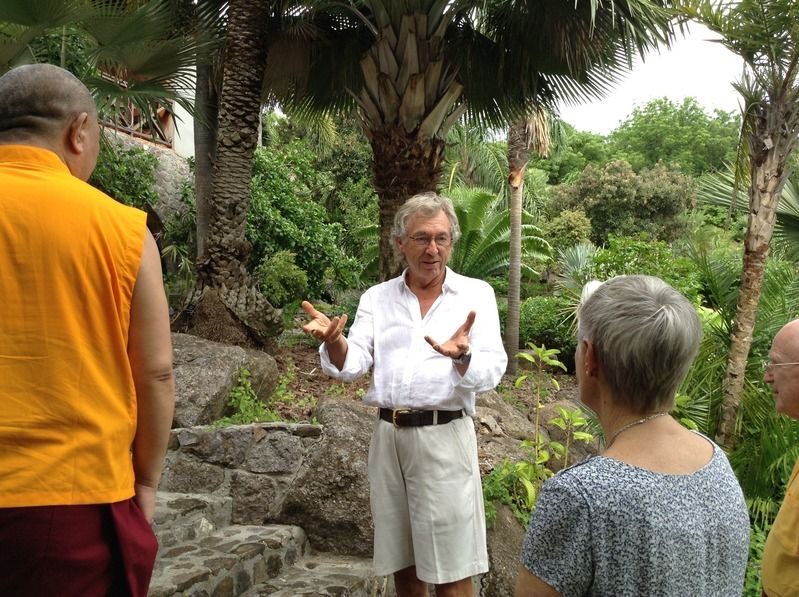
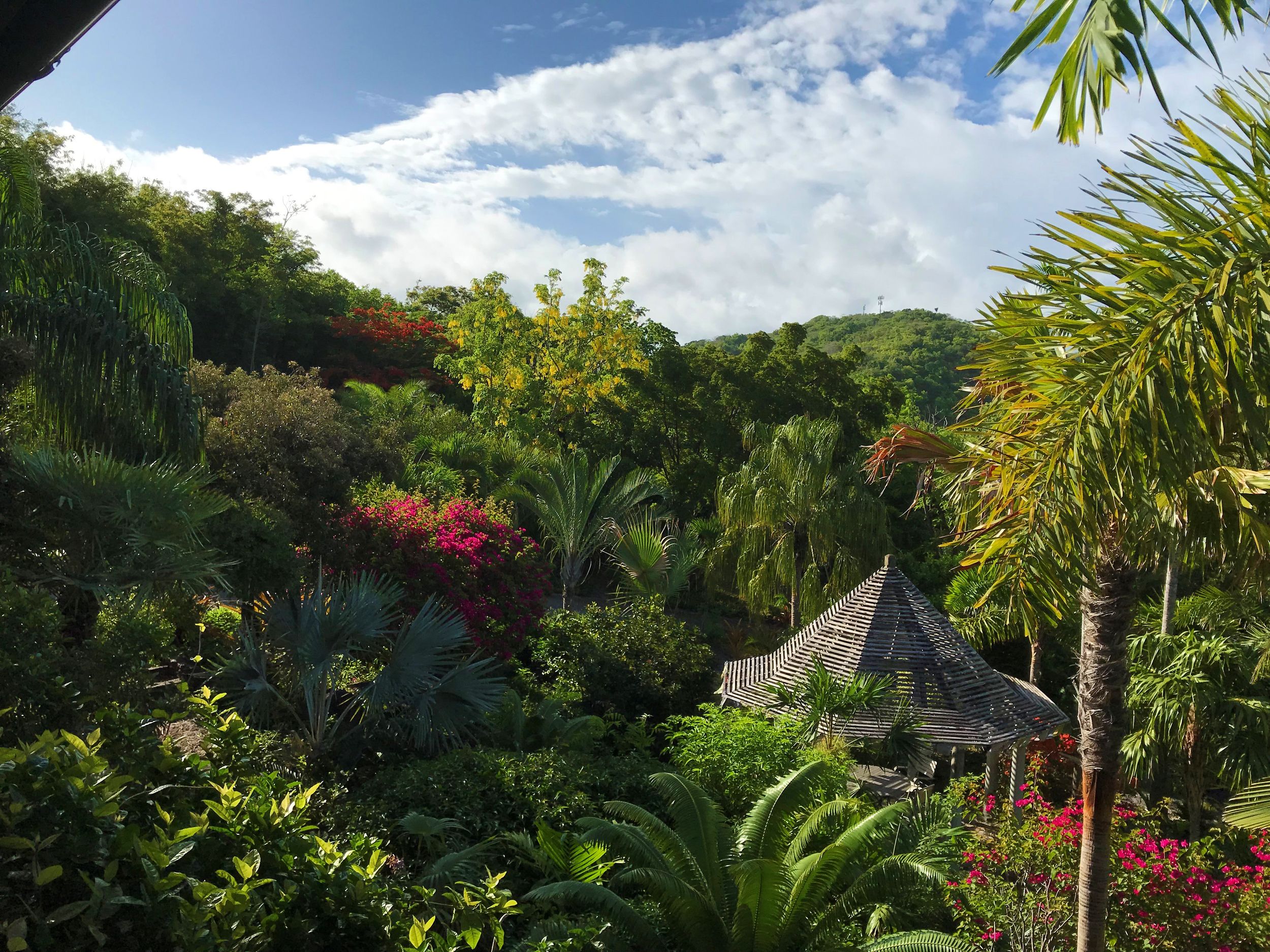
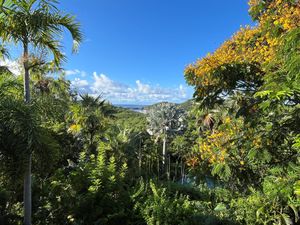
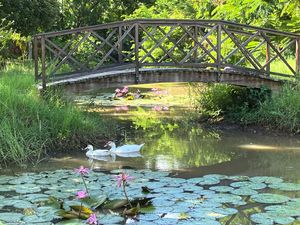
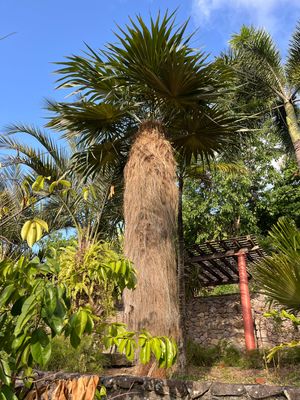
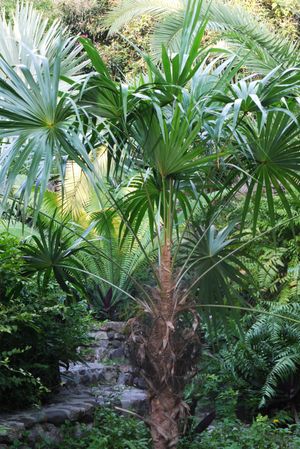
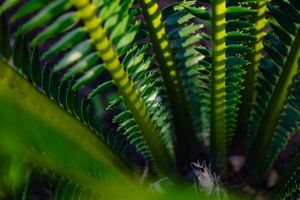
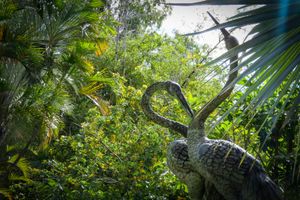
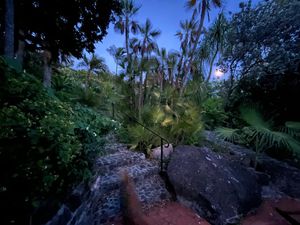
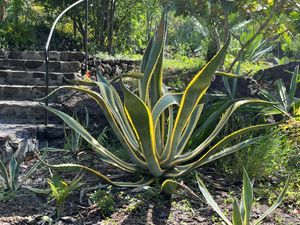
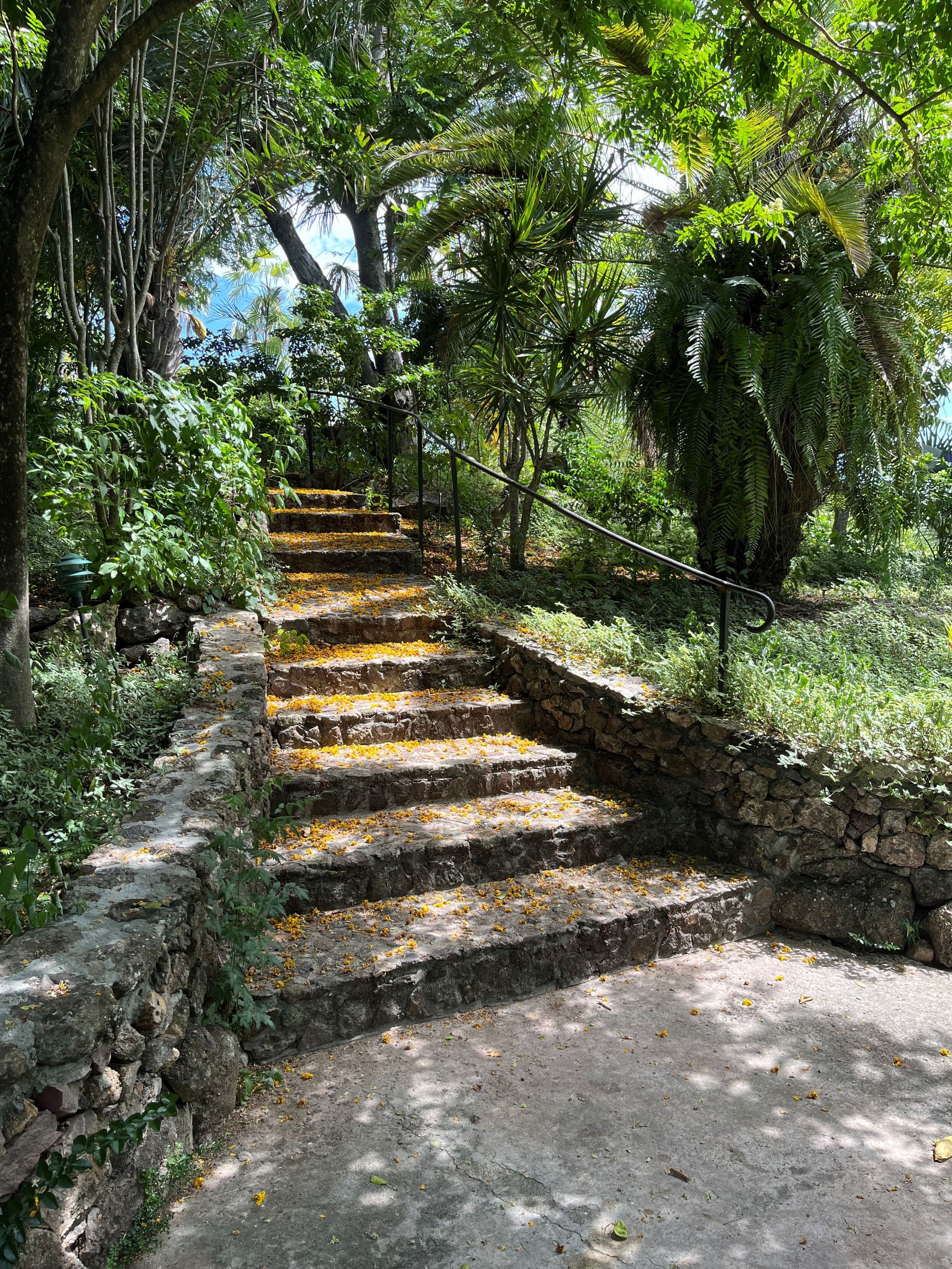
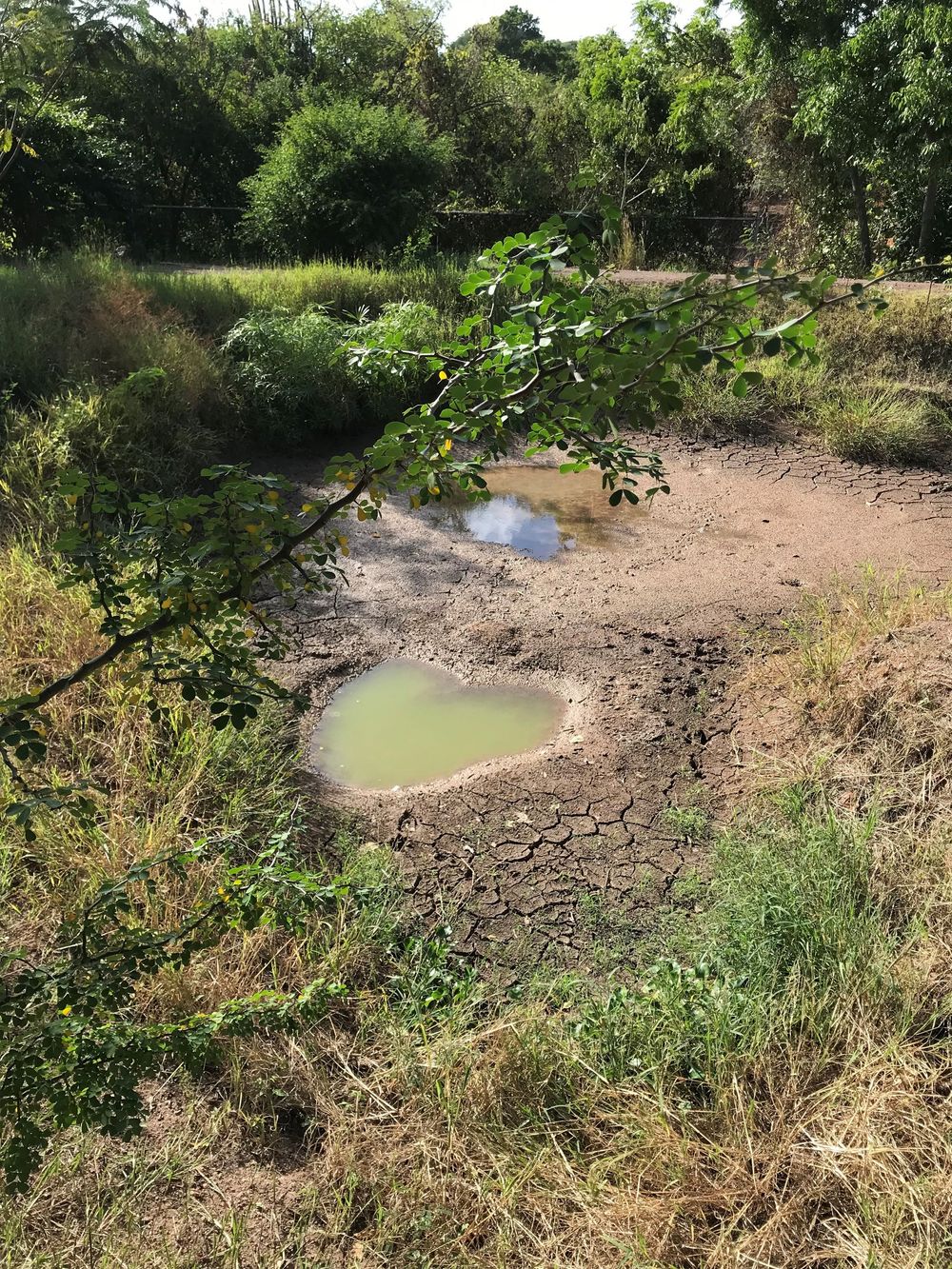
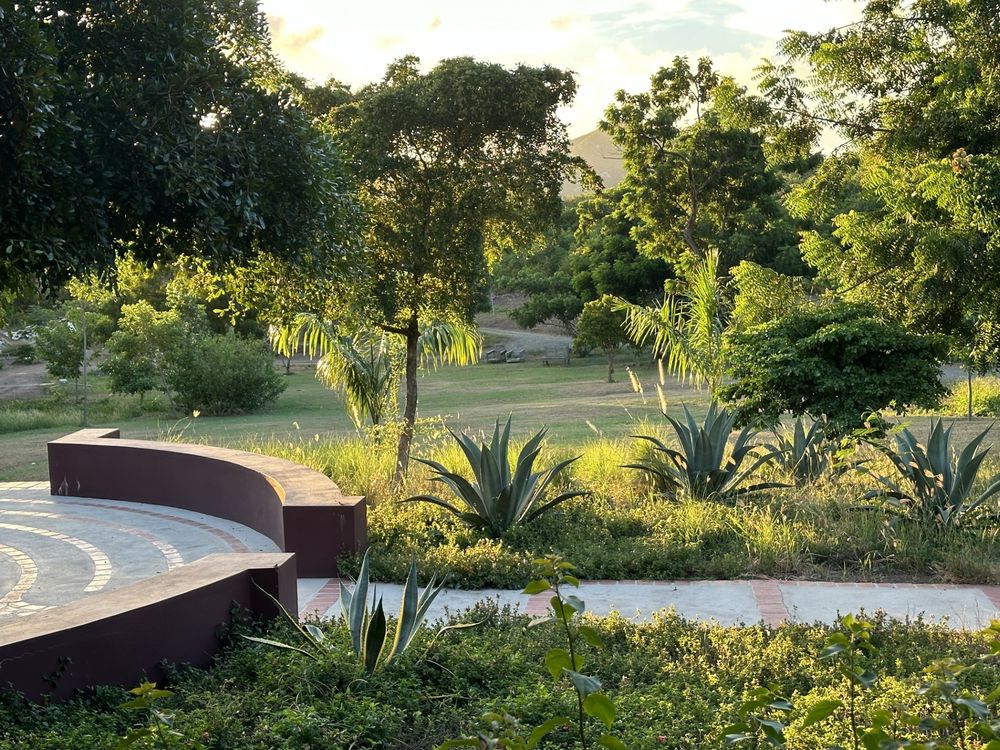
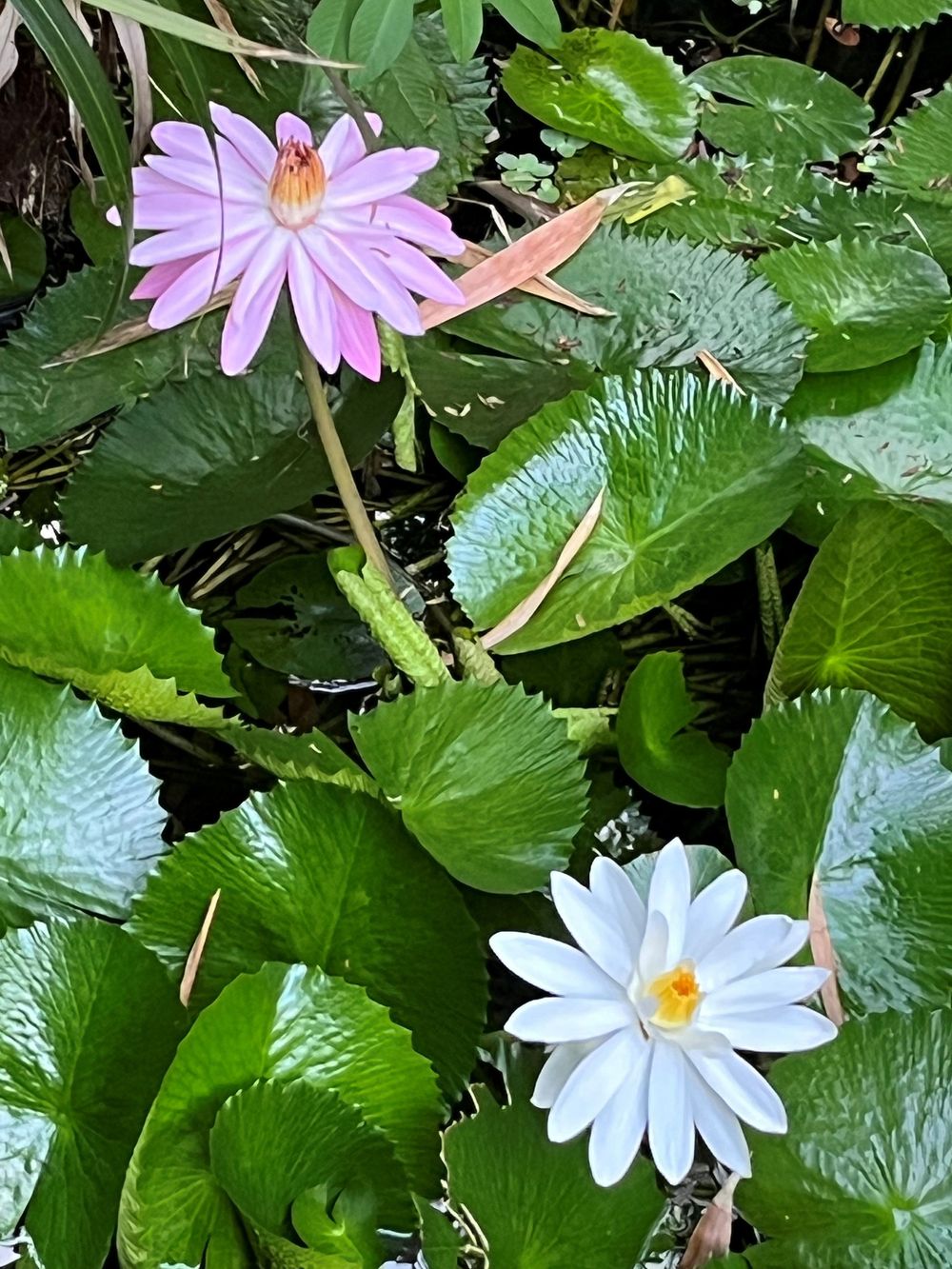
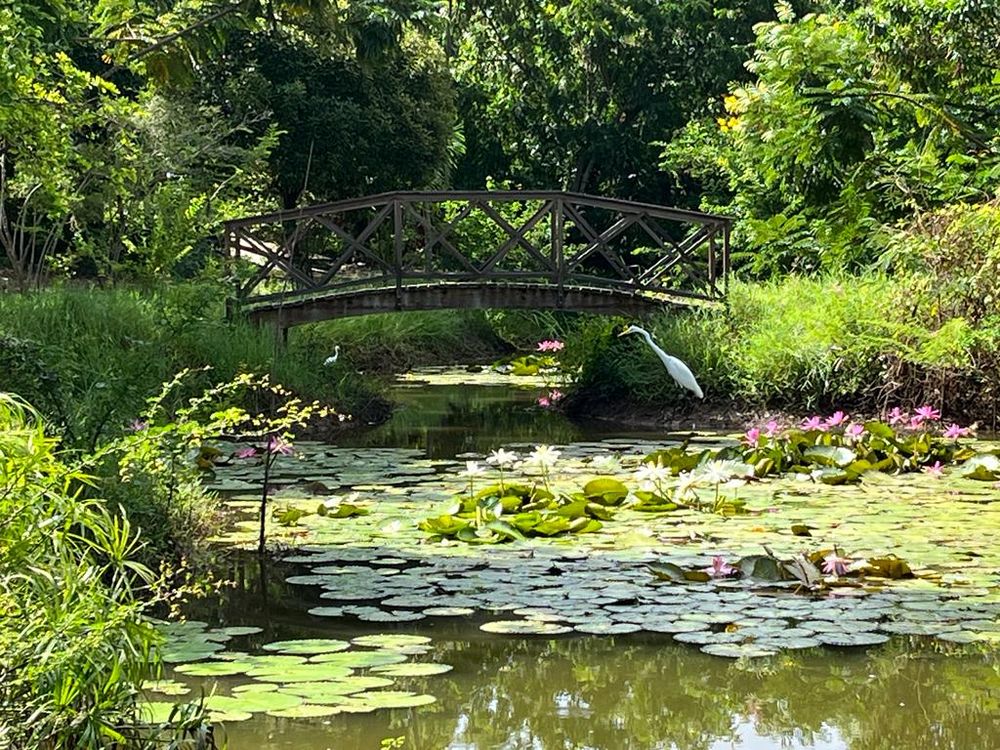
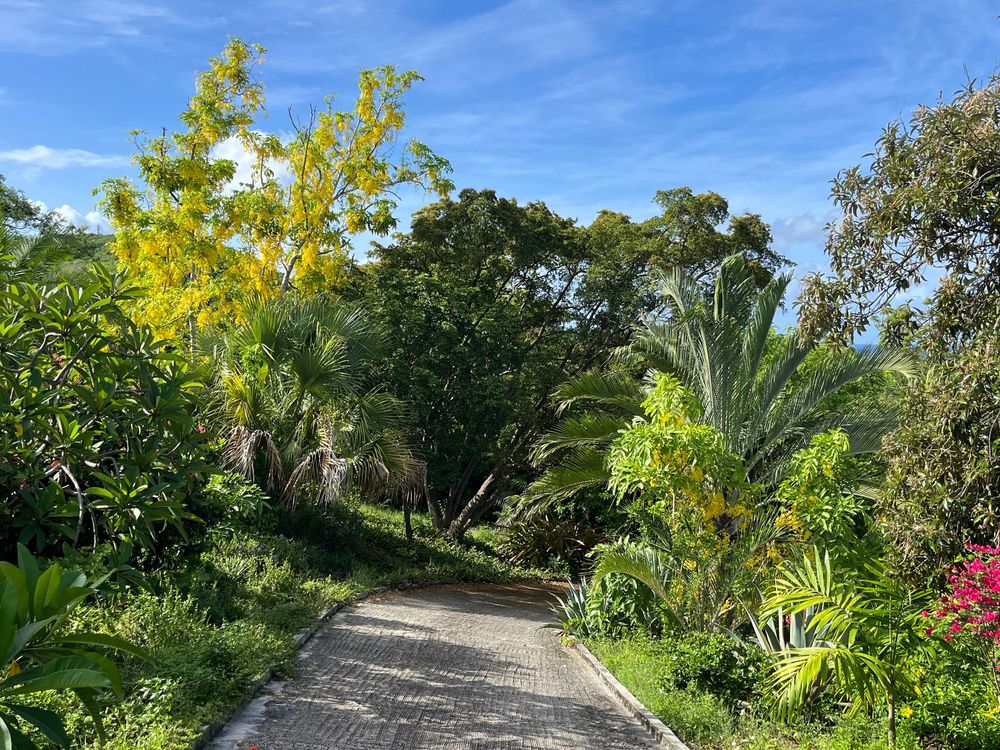
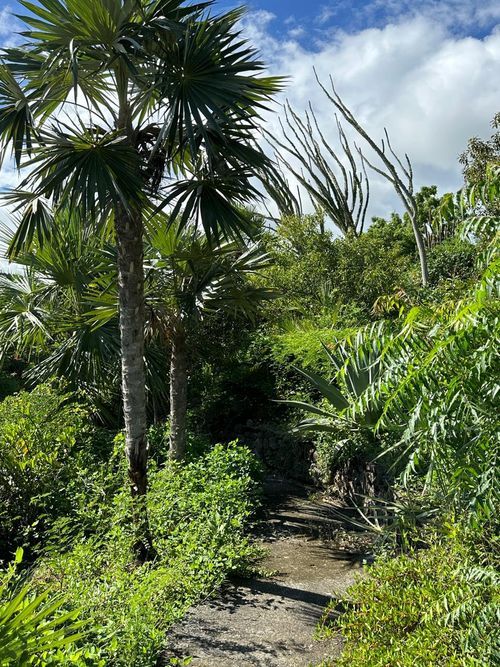
Andrew started planting the upper garden shortly after completing construction of the main house in 1990. Since then the garden has evolved over the years with a wide mix of drought tolerant plants including lignum vitae and other native hardwoods, a wide variety of indigenous and rare palms, cycads and a growing collection of cacti, all mixed together to create a wild and barely tamed jungle that languishes against a backdrop of views over Nelson's Dockyard National Park and Falmouth Harbour. The lower garden is still in the process of being planted with several ponds providing water not only for more exotic trees but also for bird life that seems to be improving year by year. A natural, organic vegetables, fruit and herbs garden is currently being planted.
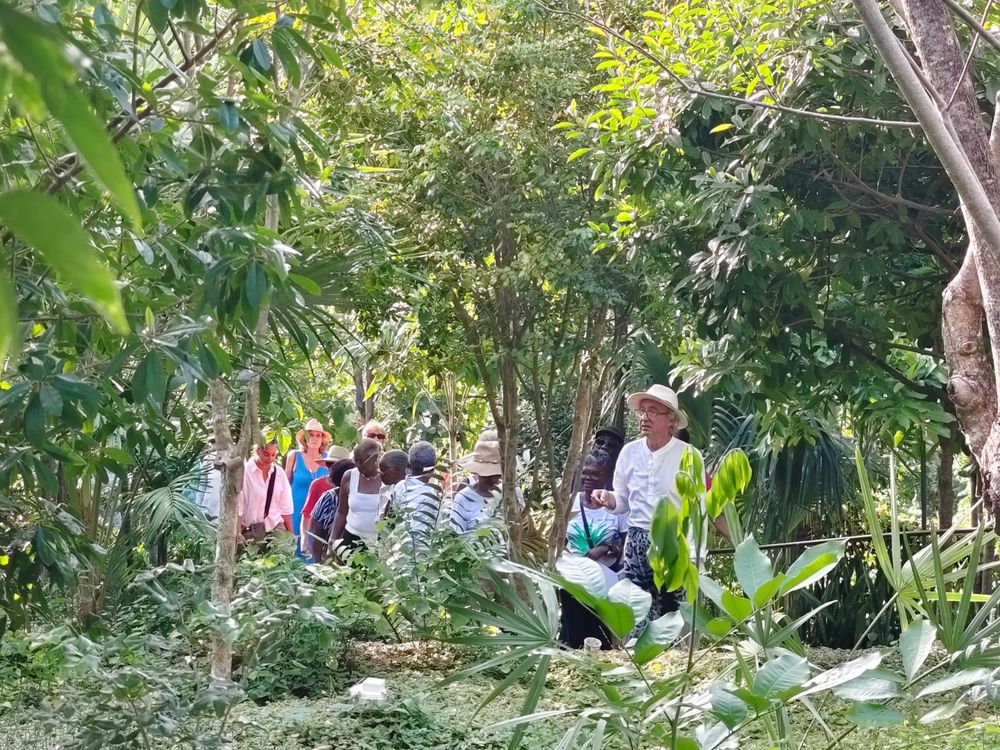
Garden Visits with Andrew
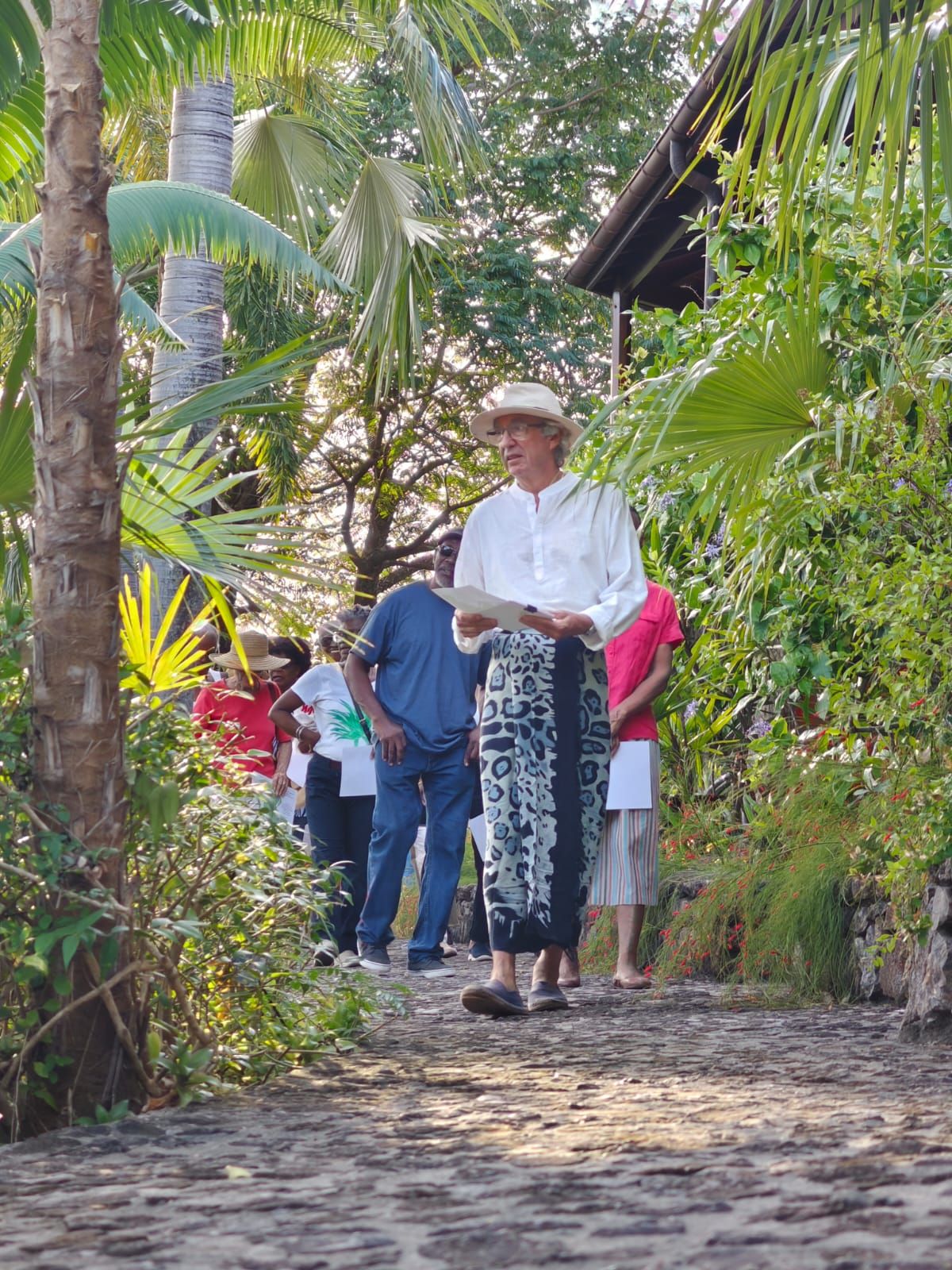
Explore Rotten Hill collection of rare palms, drought tolerant trees and indigenous plants
Architectural and lanscaping insights
Learn about the design philosophy behind the property
Sustainable gardening practices
Deepen your knowledge with particular attention to cultivation with eco-conscious drought tolerant gardening techniques
Specific interest visits
Personalized experiences tailored to your interests can be organized in advance
Price
Guided visits are by appointment only
$30 EC/ $10 USD per person
Group and children discounts
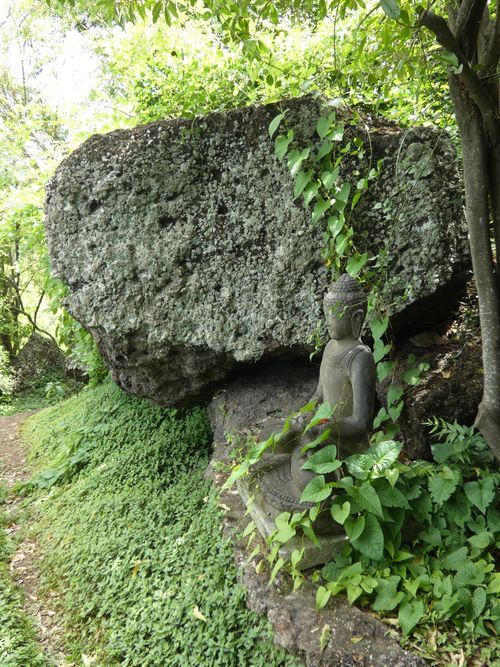
Meditation Path Rocks
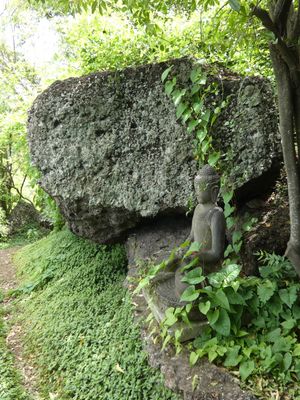
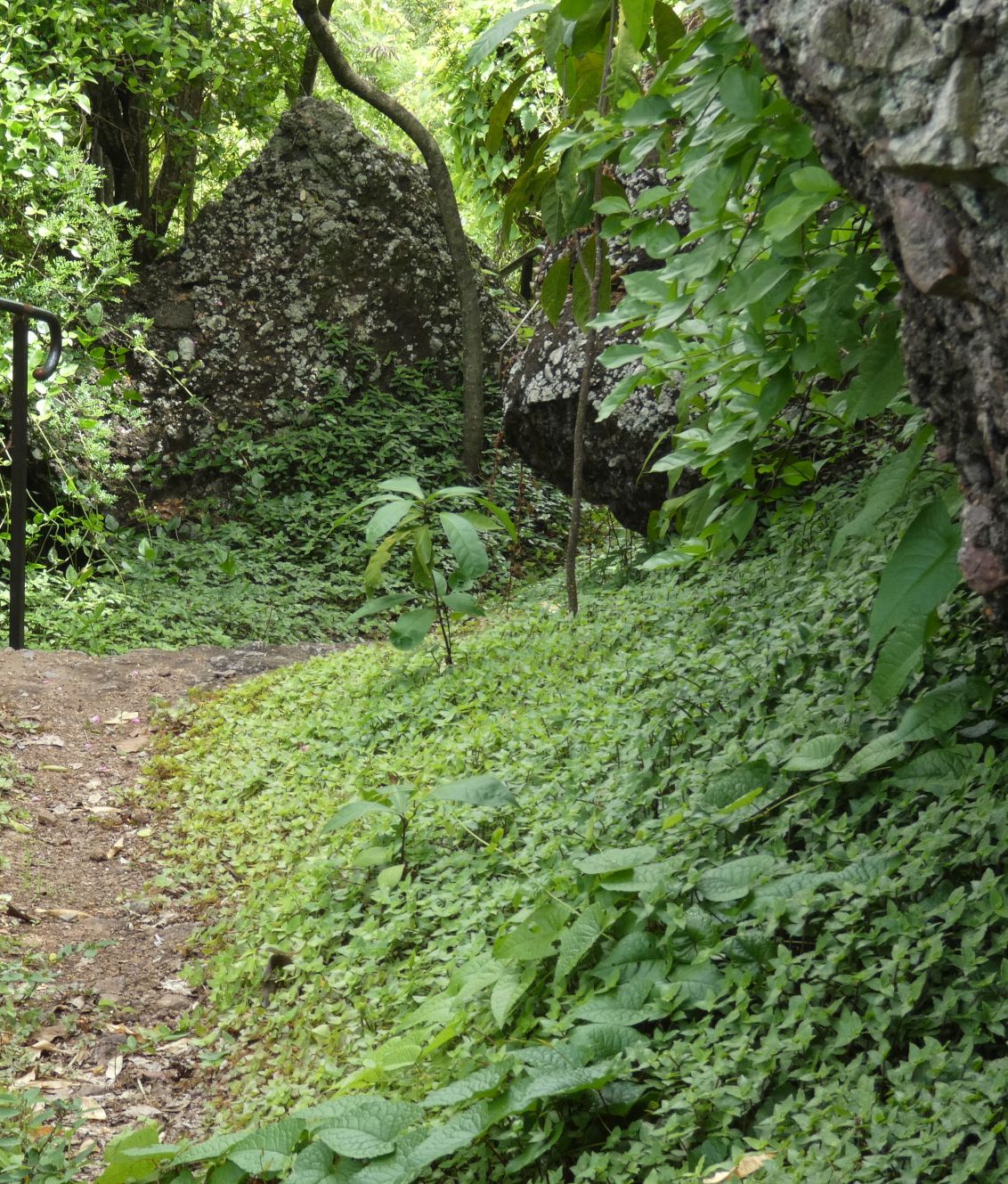
All the rocks at Roten Hill were originally found on the land. What thoughts do these rocks bring to our minds? Do they just happen to be there, or does their presence tell us something about the landscape?Perhaps you may wonder how they got there? Do they look inert and lifeless or are they part of the ever-changing environment around you? Do they have stories to tell?
The island of Antigua didn’t always exist, though it has been around quite a bit longer than most of the Eastern Caribbean islands! It was born, according to geologists who study these things, from parts of the Atlantic Ocean’s seafloor. As you may know, the Atlantic Ocean is growing slowly larger because its seafloor (the Atlantic Plate) is spreading further west all the time, at an estimated average rate of about one inch a year! Where its edge collides with the seafloor of the Caribbean Basin (the Caribbean Plate) the Atlantic Plate is pushed down under the Caribbean Plate deep enough to melt. These molten rocks then flow back, up through cracks in the Caribbean Plate to form volcanoes that can rise high enough to reach above the sea level – creating volcanic islands!
You can imagine that this takes millions of years to happen! In fact, all this began some 50M years ago. Geological research also tells us that all Antigua’s volcanic rocks are 40–30M years old, when several active volcanoes were formed. The nearest active volcano to this area was probably where Sugar Loaf and Cherry Hill now stand – all that remains of a volcano probably three times their height. So, it is mostlikely that these rocks came from that volcano in an avalanche of semi-molten rocks and volcanic ash, called a pyroclastic flow. In subsequent eruptions they were buried deep below the new land surface.
Brian Cooper, 2025
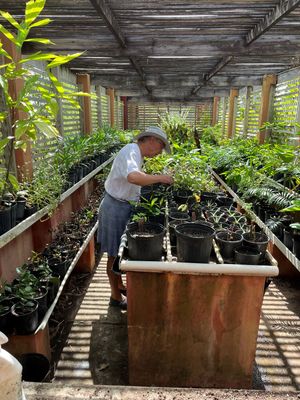
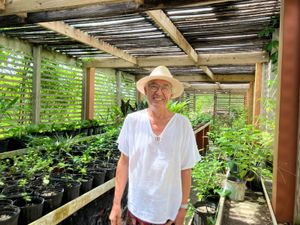
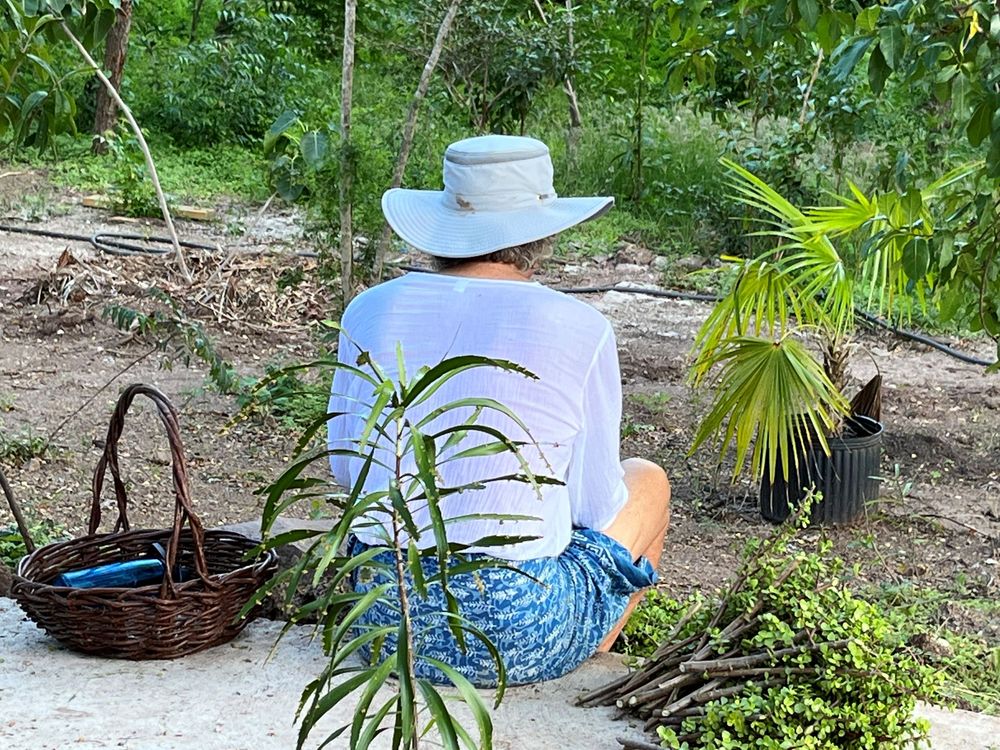
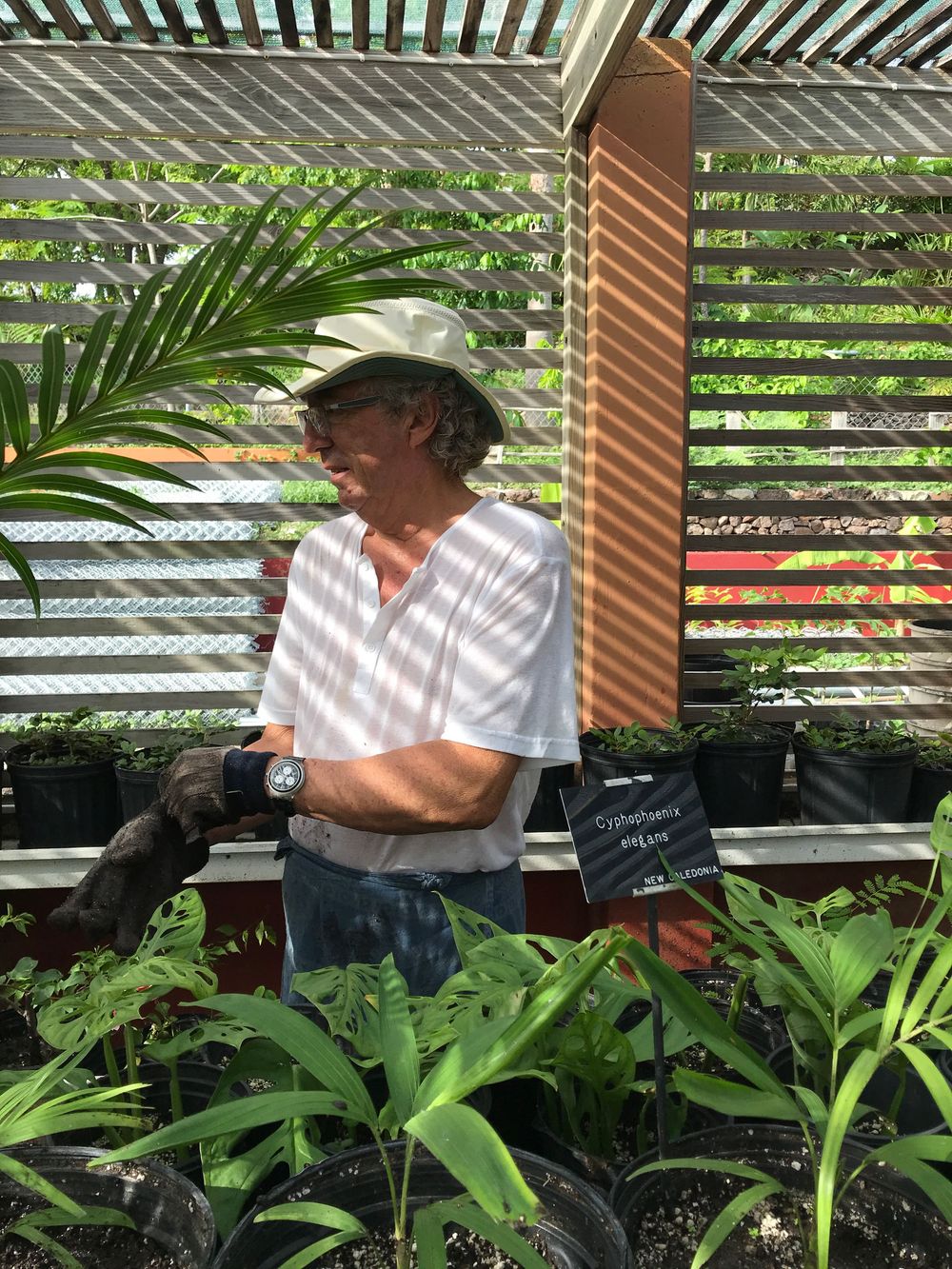
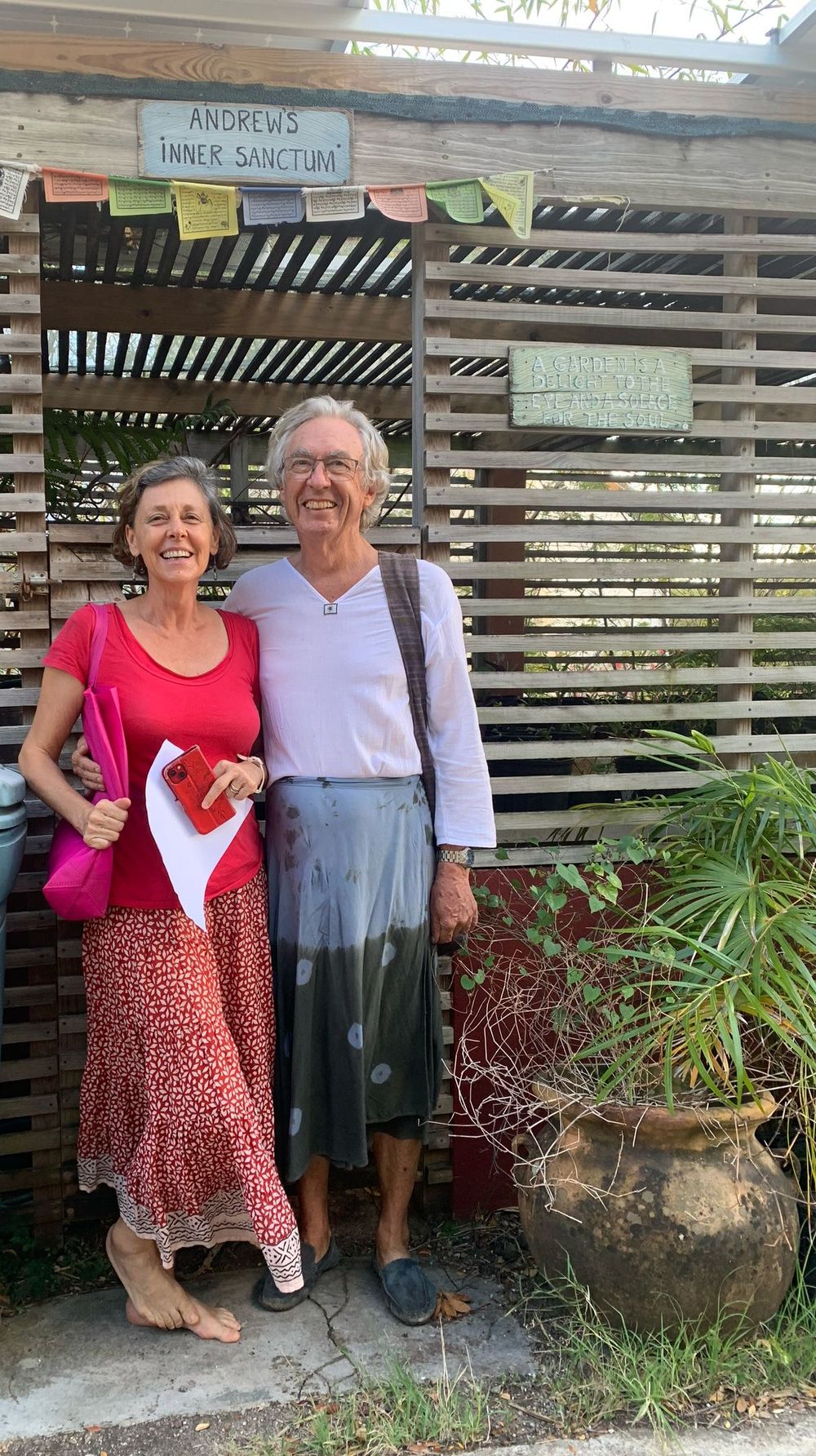
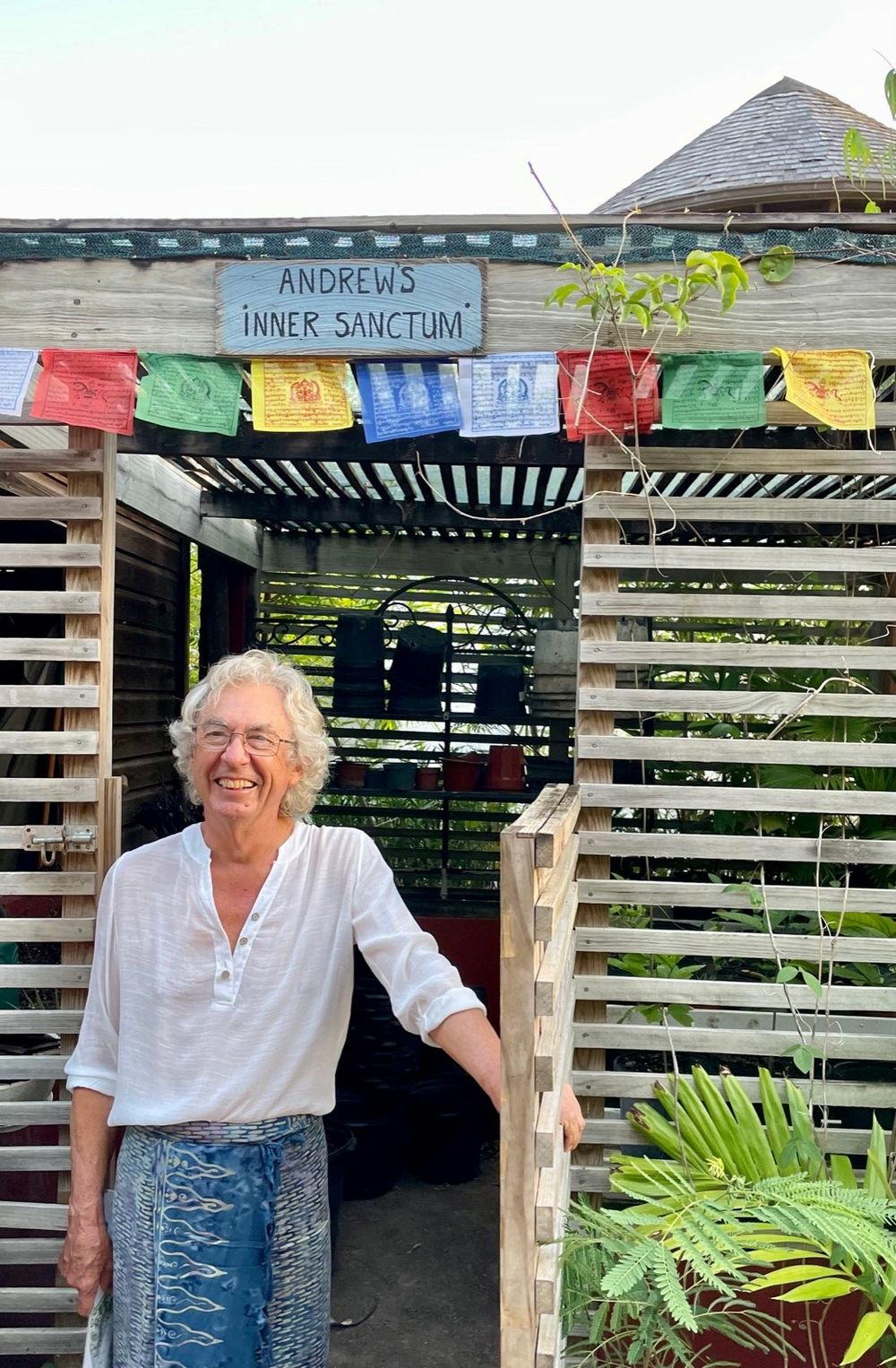
"The healing benefits of being in nature are well documented. Andrew's meditation happens mostly in his Inner Sanctum, a beautiful green house where he retreats to mindfully care for his plants".
-Dina
"You can tell that Rotten Hill is a well cared garden but it is not stifled".
-Cleo C.
Contact us:
Tel. and WhatsApp + 1 (268) 764-1439
Email - info@rottenhillstudio.com
Opening Hours:
Mon-Fri 09:00am to 05:00pm
Weekends by appointment
Location:
English Harbour, Antigua,
West Indies